The Key Benefits of Using a Diagnostic Repair Service for Your Vehicle
The benefits of using a automotive diagnostic service for a car are substantial and wide-ranging. These services enhance performance and safety while preventing minor issues from becoming major problems. By spotting potential problems ahead of time, they assist in maintaining the car's dependability and fuel economy. Despite this, numerous drivers disregard the value of routine diagnostic checks. Recognizing what such services deliver can contribute to wiser decisions about car upkeep and long-term performance. What aspects should drivers examine when choosing a diagnostic service?
Understanding the Importance of Diagnostic Repair Services
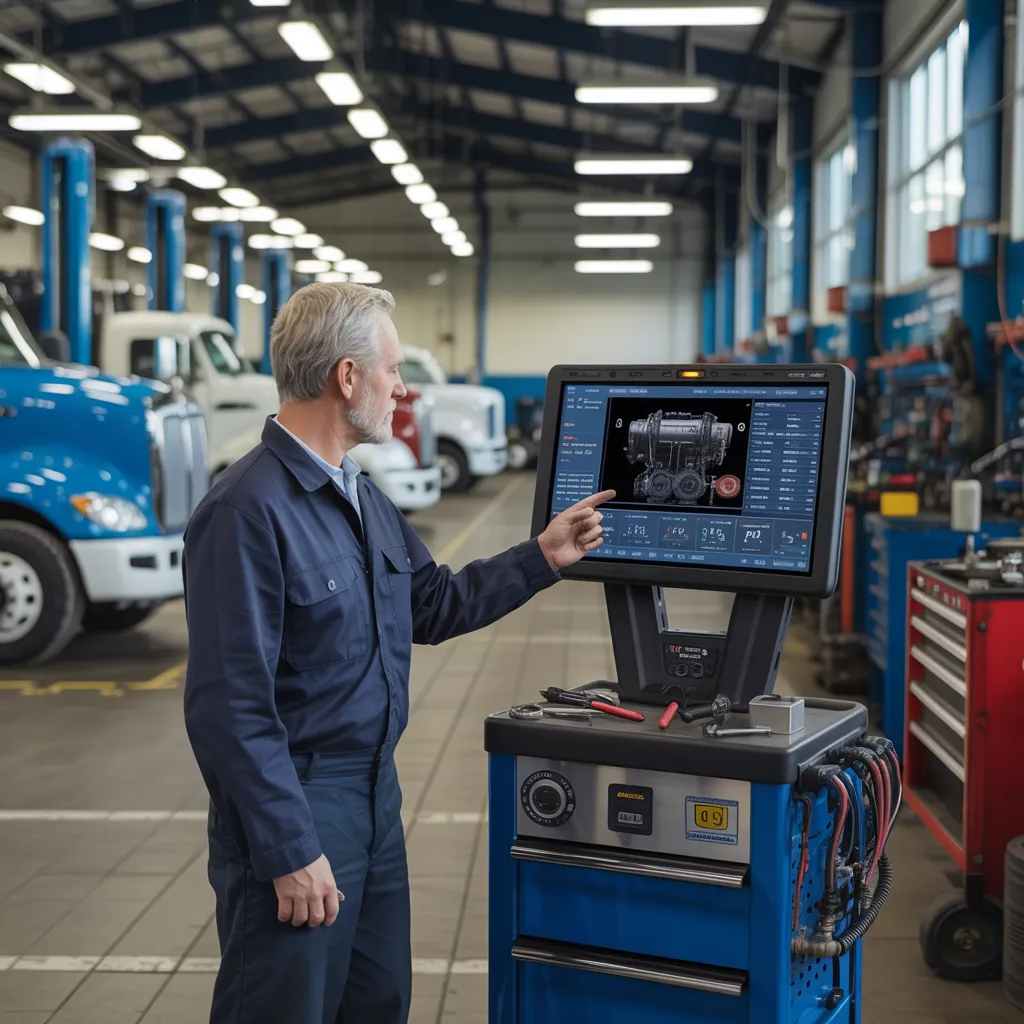
Diagnostic repair services play an essential role in preserving vehicle performance and safety. These services employ advanced technology and purpose-built equipment to examine a vehicle's systems, identifying potential issues before they escalate into serious problems. By performing detailed diagnostic assessments, technicians are able to identify malfunctions in essential components such as the engine, drivetrain, and electrical systems.
This proactive approach not only enhances the longevity of the vehicle but also guarantees peak fuel efficiency and reliability. Furthermore, diagnostic services assist in complying with safety standards, minimizing the likelihood of accidents resulting from mechanical failures. Consistent diagnostics facilitate knowledgeable decisions about repairs and servicing, potentially helping owners avoid substantial costs down the line. At its core, the significance of diagnostic repair services stems from their ability to offer peace of mind, confirming that vehicles perform reliably and safely on the road.
Frequent Vehicle Problems Identified Accurately
Numerous car owners encounter a range of common issues which can be properly assessed through dedicated diagnostic services. Such problems commonly involve electrical system malfunctions, engine problems, and transmission difficulties. To illustrate this, a vehicle's engine might produce strange sounds or show reduced efficiency, necessitating a comprehensive inspection. Transmission issues might manifest as slipping gears or rough shifts, which specialized diagnostic evaluations can detect.
Moreover, indicator lights on the dashboard can flag numerous issues, from minor to severe, indicating the need for prompt attention. Brake-related concerns, such as squeaking or decreased braking performance, also require accurate diagnosis to guarantee driver safety. By leveraging diagnostic repair services, drivers can identify these problems early, preventing further damage and costly repairs. At the end of the day, acknowledging and tackling these typical car problems through expert diagnosis fosters both vehicle longevity and driver safety.
How Diagnostic Equipment Identifies Vehicle Problems Accurately
Diagnostic instruments employ advanced technology to detect vehicle faults with exceptional precision. By incorporating real-time data assessment, these instruments can evaluate multiple systems throughout the vehicle, delivering immediate feedback on functionality and possible issues. This accuracy improves the productivity of repair procedures, ultimately leading to better vehicle maintenance.
Advanced Technology Integration
As modern vehicles continue to advance in complexity, the integration of advanced diagnostic tools has revolutionized the way issues are identified and addressed. Contemporary diagnostic systems employ advanced software and hardware to examine a vehicle's electronic parts, enabling technicians to pinpoint problems with remarkable accuracy. These devices are capable of reading error codes, tracking sensor data, and conducting system checks in real time. By converting complex vehicle data into clear and comprehensible information, they assist in removing uncertainty and shortening repair durations. Furthermore, the application of advanced technology ensures that technicians remain informed about the newest vehicle models and their unique needs. This precision not only enhances the efficiency of repairs but also improves overall vehicle safety and performance, making diagnostic repair services indispensable.
Real-Time Data Analysis
Utilizing live data processing, contemporary diagnostic equipment accurately detect automotive problems with accuracy. Such systems gather and analyze information from multiple sensors throughout the vehicle, allowing technicians to identify problems swiftly. By accessing critical parameters such as engine performance, fuel efficiency, and emission levels, specialists can identify root causes that may not be visible during a visual inspection. This preventative strategy facilitates early responses, minimizing the likelihood of severe damage and expensive fixes. Additionally, real-time data can facilitate better communication between the specialist and the automobile owner, providing clarity about the problems and suggested remedies. Overall, utilizing live data analysis substantially boosts the accuracy and efficiency of automotive diagnostics.
Why Are Experienced Technicians Important in Diagnostics?
Seasoned technicians play an essential role in vehicle diagnostics due to their in-depth technical knowledge. Their proficiency facilitates accurate problem detection, decreasing downtime for automobile owners. Additionally, proficient technicians increase repair accuracy, ensuring that issues are resolved correctly the first time.
Expert Technical Expertise
Technical knowledge serves a fundamental purpose in the success of automotive diagnostics. Seasoned technicians maintain a thorough grasp of automotive systems, enabling them to interpret complex data from diagnostic tools accurately. Their extensive training allows them to recognize patterns and anomalies that less experienced individuals might overlook. This in-depth expertise ensures technicians can accurately separate minor faults from serious complications, leading to more accurate diagnoses. Additionally, seasoned professionals are usually familiar with the latest technological advancements, which play a vital role in modern-day vehicles. Their commitment to keeping pace with industry changes improves their diagnostic proficiency, establishing them as essential assets in uncovering underlying problems rapidly and effectively. Ultimately, their expertise translates into more reliable and efficient vehicle repairs.
Effective Issue Detection
Accurate problem identification is essential in vehicle diagnostics, and the skill of experienced technicians greatly improves this process. Skilled technicians possess a comprehensive grasp of diverse vehicle systems, allowing them to rapidly identify issues that may escape less knowledgeable mechanics. Their proficiency with diagnostic tools and equipment enables them to analyze data accurately, leading to faster and more reliable conclusions. Additionally, experienced technicians can draw on prior knowledge to detect patterns in vehicle operation, facilitating swift identification of recurring problems. This efficiency not only saves time but also decreases the likelihood of misdiagnosis, ensuring that the accurate faults are resolved quickly. As a result, utilizing experienced technicians for vehicle diagnostics translates into better overall vehicle performance and lifespan.
Superior Repair Exactness
Attaining improved repair precision depends on the skill of mechanics who hold a vast understanding in automotive diagnostics. Experienced technicians are familiar with the intricacies of multiple vehicle components, enabling them to identify problems accurately. Their comprehensive education and hands-on experience enable them to utilize advanced diagnostic tools effectively, guaranteeing that faults are properly recognized from the outset. This minimizes the chances of incorrect diagnoses and avoidable repairs, ultimately saving time and money for vehicle owners. Additionally, their understanding of factory guidelines ensures that repairs are performed to the highest standards. Essentially, the proficiency of skilled automotive professionals is essential for attaining precise diagnostic results, resulting in enhanced automotive reliability and durability.
Money-Saving Advantages of Early Diagnostic Repair Services
Early vehicle diagnostic services offer vehicle owners considerable financial benefits. Resolving problems early can stop small faults from developing into serious repairs, which often lead to increased costs for labor and replacement parts. By diagnosing and addressing issues promptly, vehicle owners can extend the lifespan of their vehicles, minimizing the need for expensive repairs and part replacements.
Additionally, early diagnostics help optimize vehicle performance, which leads to greater fuel efficiency. Properly maintained vehicles are far less prone to unexpected breakdowns, protecting owners from incurring roadside assistance and towing expenses. Additionally, regular diagnostic checks can uncover underlying issues that may not be immediately noticeable, allowing for proactive measures before they become critical.
Ultimately, utilizing preventative diagnostic solutions not only preserves a vehicle's current condition but also enhances ongoing monetary advantages, making it an intelligent decision for conscientious vehicle owners.
Spotting Signs That Point to the Need for Diagnostic Services
Vehicle owners ought to be watchful in identifying symptoms that suggest the need for diagnostic services. Abnormal noises, such as knocking or grinding noises, can signal underlying mechanical concerns that require immediate attention. Additionally, indicator lights on the dashboard, especially the check engine light, must never be disregarded, as they often indicate hidden issues.
Changes in vehicle performance, including sluggish acceleration or hard starting, might also signal the necessity of a professional diagnostic inspection. Fluctuating fuel efficiency can suggest problems with the engine or fuel system that may require timely attention.
Ultimately, persistent vibrations or steering issues can indicate problems with alignment or suspension. By staying alert to these warning signs, car owners can actively pursue diagnostic access resource evaluations, ensuring their vehicles remain safe and reliable while potentially reducing the cost of major repairs over time.
Commonly Asked Questions
How Often Should My Vehicle Be Diagnosed?
A car should generally be assessed once a year or whenever dashboard warning lights illuminate. Consistent vehicle diagnostics help identify hidden faults early, ensuring peak performance and preventing costly repairs, ultimately increasing the longevity of the vehicle and enhancing safety.
Am I Able to Carry Out Diagnostics by Myself at Home?
Absolutely, it is possible to conduct diagnostics at home by utilizing affordable OBD-II scan tools. However, although simple problems could be identified, complicated problems often require the expertise of a professional to ensure a precise diagnosis and reliable repair options.
What Kinds of Vehicles Benefit the Most From Diagnostic Services?
High-end cars, hybrid models, and vehicles equipped with advanced technology gain the greatest advantage from professional diagnostic services. The intricate electronic systems in these vehicles demand specialized equipment and expert knowledge, ensuring accurate problem identification and efficient repairs to preserve optimal performance levels and vehicle safety.
Are Warranty Protections Applicable to Diagnostic Repairs?
Diagnostic repair services could be included under warranty coverage, subject to the specific terms and conditions associated with the warranty. Vehicle owners should review their warranty documentation or consult with their provider to determine coverage details for such services.
How Much Time Does a Standard Diagnostic Service Require?
A standard vehicle diagnostic generally takes between one to two hours, depending on the complexity of the vehicle and the exact concerns being assessed. Aspects including the technician's expertise and diagnostic equipment can also affect the overall time required.
Elevate